 Call Us: (561) 333-3440

The accounting term that means an entry will be made on the left side of an account. The term that refers to the stock of a corporation which is traded on the stock exchanges (as opposed to stock that payroll is privately held among a few individuals). If a supplier sold merchandise to a company on credit, the supplier is a creditor. Sales are reported in the accounting period in which title to the merchandise was transferred from the seller to the buyer.
- A corporation’s balance sheet reports its assets, liabilities, and stockholders’ equity.
- A company’s financial statement consists of 3 principal components, namely – Assets, Liabilities, and Shareholders Equity.
- For example, in scenarios where the debt value exceeds the total assets that the firms own, the shareholders’ equity is negative.
- Also assume it is cumulative preferred and three years of omitted dividends are owed.
- A company selling merchandise on credit will record these sales in a Sales account and in an Accounts Receivable account.
More Share Terminology
In return for these preferences, the preferred stockholders usually give up the right to share in the corporation’s earnings that are in excess of their stated dividends. If the “loss” is larger than the credit balance, part of the “loss” is recorded in Paid-in Capital from Treasury Stock (up to the amount of the credit balance) and the remainder is debited to Retained Earnings. To illustrate this rule, let’s look at several transactions where treasury stock is sold for less than cost. A company’s retained earnings are profits reinvested in the business, indicating its growth potential and financial stability.

What is the approximate value of your cash savings and other investments?

To comply with state regulations, the par value of preferred stock is recorded in its own paid-in capital account Preferred Stock. If the corporation receives more than the par amount, the amount greater than par will be recorded in another account such as Paid-in Capital in Excess of Par – Preferred Stock. For example, if one share of 9% preferred stock having a par value of $100 is sold for $101, the following entry will be made. The dividend on Accounting for Churches preferred stock is usually stated as a percentage of its par value. For example, if a corporation issues 9% preferred stock with a par value of $100, the preferred stockholder will receive a dividend of $9 (9% times $100) per share per year. If the corporation issues 10% preferred stock having a par value of $25, the stock will pay a dividend of $2.50 (10% times $25) per year.

Stockholders’ Equity vs. Market Value
- Cash dividends (usually referred to as dividends) are a distribution of the corporation’s net income.
- It represents the additional amount an investor pays for a company’s shares over the face value of the shares during a company’s initial public offering (IPO).
- For example, state laws require that corporations keep the amounts received from investors separate from the amounts earned through business activity.
- The board of directors also declares the amount and timing of dividend distributions, if any, to the stockholders.
- Shareholder equity is one of the important numbers embedded in the financial reports of public companies that can help investors come to a sound conclusion about the real value of a company.
Rather, they only list those accounts that are relevant to their situation. For example, if statement of stockholders equity a company does not have any non-equity assets, they are not required to list them on their balance sheet. Every accounting period, there are entries on the balance sheet that indicate an increase or decrease in this figure. In practice, most companies do not list every single asset and liability of the business on their balance sheet. Investors and corporate accounting professionals look to shareholders’ equity (SE) to determine how a company is using and managing its initial investments and to determine the company’s valuation. With various debt and equity instruments in mind, we can apply this knowledge to our own personal investment decisions.
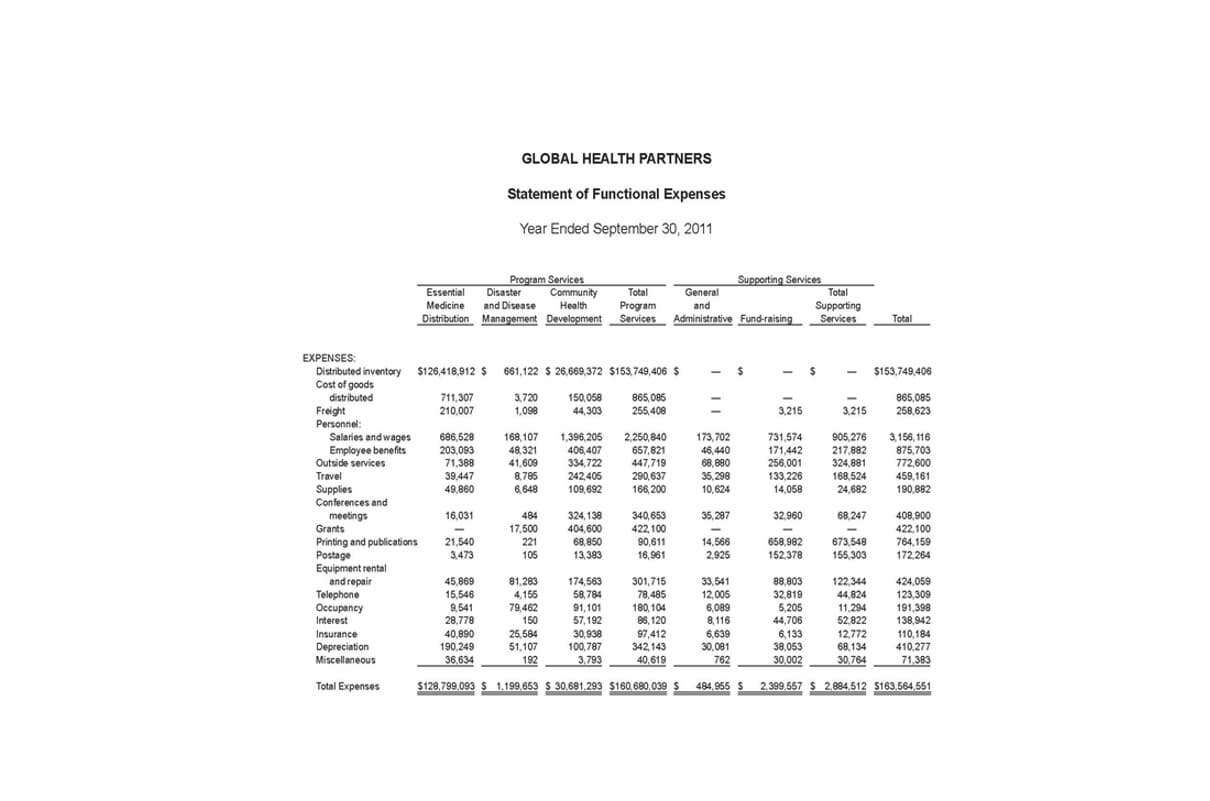
The balance sheet shows this increase is due to a decrease in liabilities larger than the decrease in assets. In most cases, retained earnings are the largest component of stockholders’ equity. This is especially true when dealing with companies that have been in business for many years.
#1 – Stock Components
For example, the most successful brand names and logos of a consumer products company may have been developed in-house. Since they were not purchased, their high market values are not included in the corporation’s assets. Other long-term assets may have appreciated in value while the accountant was depreciating them. Therefore, they may appear on the balance sheet at a small fraction of their fair market value.
Recent Comments